
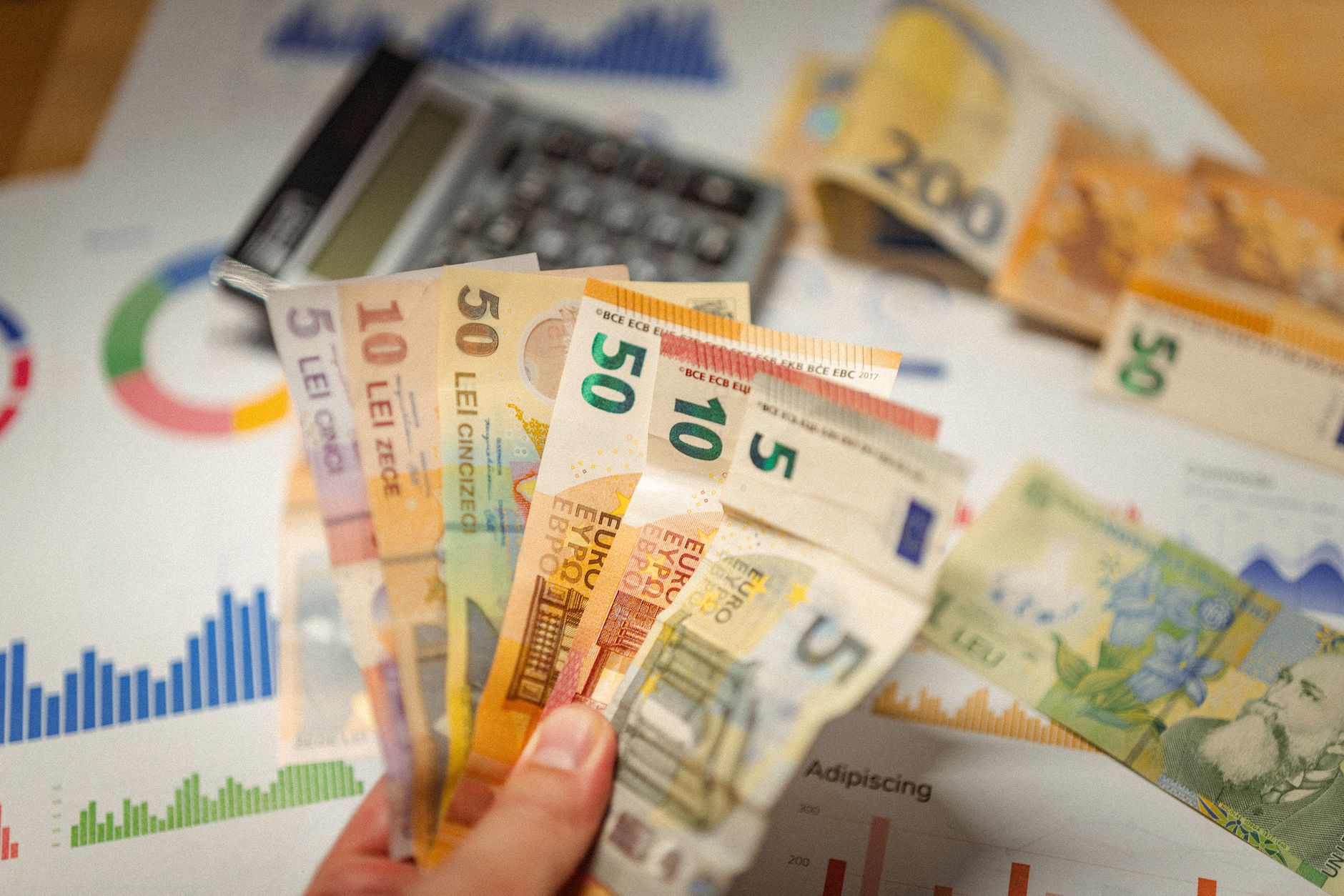
U.S. inflation data has led to a slump in gold prices, highlighting the market’s sensitivity to economic indicators and Federal Reserve comments.
Impact of U.S. Inflation Data on Gold
The recent release of U.S. inflation data has sent shockwaves through the gold market, highlighting the precious metal’s sensitivity to economic indicators. Following the announcement, gold prices experienced a notable decline, reflecting investor reactions to the robust inflation figures.
Analysts have pointed out several factors contributing to this slump:
- Inflation Concerns: The U.S. inflation data showed persistent price pressures, raising fears that the Federal Reserve may maintain its aggressive monetary policy stance.
- Hawkish Fed Comments: Statements from Fed officials, particularly those from Governor Christopher Waller, suggested that interest rates could remain high for an extended period. This has led to a stronger U.S. dollar, which traditionally puts downward pressure on gold prices.
- Market Sentiment: Investor sentiment has shifted as traders reassess their positions in light of the inflation data and its implications for future interest rate hikes.
As the market digests these developments, many are left wondering how sustained inflation will impact gold prices in the long run.
Understanding the Fed’s Hawkish Stance
The recent U.S. inflation data has drawn significant attention from investors and analysts alike, particularly given its implications for monetary policy. The Federal Reserve’s hawkish stance, characterized by interest rate hikes and a commitment to curbing inflation, has put pressure on gold prices. As inflation numbers remain elevated, the Fed is likely to continue its aggressive approach, causing uncertainty in the commodities market.
Market experts point out several key factors that contribute to the Fed’s current position:
- Inflation Control: The primary goal of the Fed is to manage inflation, ensuring that it remains within a target range to maintain economic stability.
- Interest Rates: Higher interest rates typically strengthen the U.S. dollar, making gold less attractive as an investment.
- Market Reactions: Investor sentiment has shifted, with many reallocating assets in response to the Fed’s announcements and the latest U.S. inflation data.
In this environment, gold has experienced a notable slump, reflecting the direct impact of the Fed’s hawkish policies and the ongoing fluctuations of U.S. inflation data.
Market Reactions to Inflation Reports
Market reactions to the latest U.S. inflation data have been swift and significant, particularly in the gold market. Following the release of the inflation figures, gold prices experienced a notable decline, driven by investor concerns over rising interest rates and the Federal Reserve’s hawkish stance. Analysts indicate that the firm inflation data has led to a reassessment of investment strategies, with many turning to the dollar as a safer asset amid fears of a tightening monetary policy.
In response to the inflation report, market participants have observed several key trends:
- Gold Prices Dip: Gold’s status as a hedge against inflation was challenged, leading to a sell-off.
- Increased Volatility: The market has seen heightened volatility as investors react to changing economic indicators.
- Shift to U.S. Dollar: Many traders have shifted their focus towards the U.S. dollar, which is perceived as a more stable investment during inflationary periods.
The impact of the U.S. inflation data is likely to continue influencing market dynamics, as investors closely monitor further developments from the Federal Reserve.
Future Predictions for Gold Prices
As analysts continue to digest the latest U.S. inflation data, future predictions for gold prices are becoming increasingly cautious. The unexpected strength in inflation figures has led many experts to reassess their outlook for the precious metal, especially in light of the Federal Reserve’s hawkish stance.
Several key factors are influencing predictions:
- Interest Rates: Continued high inflation may prompt the Fed to maintain or increase interest rates, which typically strengthens the U.S. dollar and places downward pressure on gold prices.
- Investor Sentiment: As uncertainty looms over the economy, some investors may shift their focus to more stable assets, potentially leading to reduced demand for gold.
- Global Economic Conditions: Factors such as geopolitical tensions and economic recovery trajectories in other major economies will also play a significant role in shaping gold’s future.
In summary, while the immediate response to the U.S. inflation data has been negative for gold, ongoing developments in monetary policy and global events will be crucial for determining the metal’s trajectory in the coming months.
Photo by Jakub Zerdzicki on Pexels
References
RBI monetary penalty: What is the real impact on banks? · Continuity at ECB: Smart Insights on Future Leadership · Sensex Nifty Performance: Flat Close After Volatile Day






Leave a Reply