

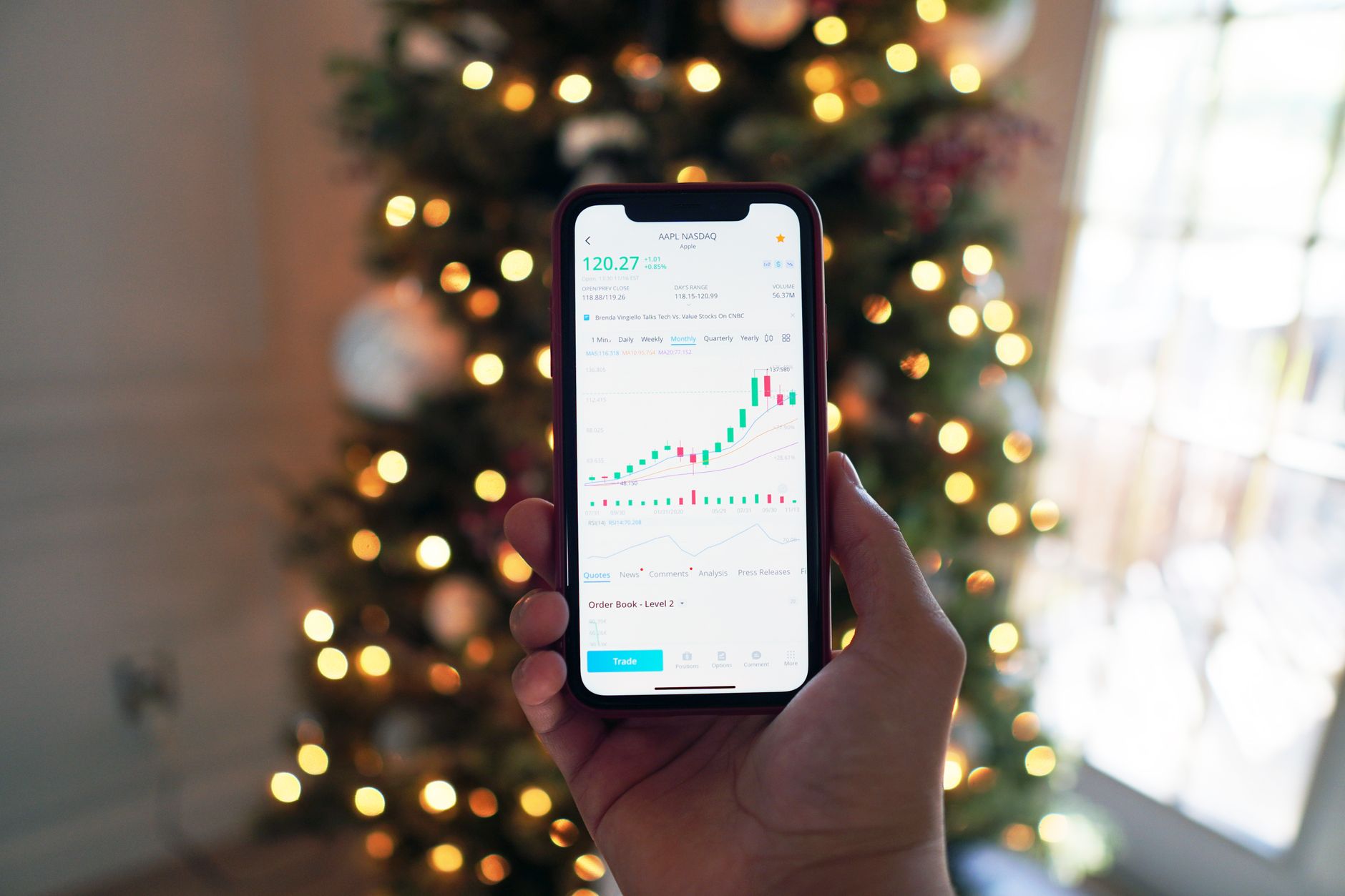
stock market holidays are essential to know, especially during festive seasons like Diwali. This article will guide you through the trading timings for NSE and BSE.
Understanding Stock Market Holidays
Understanding stock market holidays is crucial for investors and traders alike. These holidays can significantly influence trading strategies and investment decisions. In India, the National Stock Exchange (NSE) and Bombay Stock Exchange (BSE) observe several stock market holidays throughout the year, which are typically aligned with national and religious festivities.
One of the most notable occasions is Diwali, a time when investors often look to engage in Muhurat trading. This special trading session usually occurs on the evening of the festival, symbolizing prosperity and wealth for the upcoming year. During this period, both exchanges are open for a limited time, allowing investors to make symbolic investments.
While the stock market holidays may vary each year, they generally include:
- Republic Day
- Independence Day
- Gandhi Jayanti
- Diwali
- Holi
It is essential for traders to be aware of these holidays and associated timings, as they can affect market liquidity, trading volumes, and overall market sentiment. Understanding stock market holidays enables investors to plan their trades effectively.
Importance of Muhurat Trading
Muhurat trading holds significant importance in the context of stock market holidays, particularly during the festival of Diwali. This special trading session is conducted to mark the beginning of the new year in the Hindu calendar, and it is considered an auspicious time for investors. Many traders believe that making investments during this period can lead to favorable outcomes throughout the year.
During Muhurat trading, the stock markets, including the National Stock Exchange (NSE) and the Bombay Stock Exchange (BSE), remain open for a limited time. Typically, this session takes place in the evening, allowing traders to participate in a ceremonial trading experience. The specific timings may vary each year, but it generally lasts for about an hour.
Investors often prepare for this occasion by purchasing stocks they believe will perform well. The enthusiasm surrounding Muhurat trading is palpable, as it attracts both seasoned investors and newcomers alike. It is not just about trading; it is also a way to seek blessings for prosperity and success in investments.
In summary, understanding the significance of Muhurat trading within the framework of stock market holidays can enhance an investor’s approach to trading during this auspicious time.
NSE and BSE Holiday Schedule
The holiday schedule for the National Stock Exchange (NSE) and the Bombay Stock Exchange (BSE) is crucial for traders to plan their investments effectively. Understanding the stock market holidays allows participants to capitalize on trading opportunities while avoiding potential pitfalls during closed sessions.
Both NSE and BSE observe several public holidays throughout the year, including significant festivals and national observances. Here are some of the key holidays to note:
- New Year’s Day: January 1
- Republic Day: January 26
- Independence Day: August 15
- Mahatma Gandhi Jayanti: October 2
- Diwali (Muhurat Trading): Varies each year, generally in October or November
- Christmas: December 25
During these stock market holidays, trading is halted, and investors should take this into consideration when planning their strategies. Notably, the Muhurat trading session on Diwali is particularly significant, as it symbolizes new beginnings and is believed to bring prosperity. Traders often look forward to this time, making it one of the best trading times of the year.
Best Practices for Diwali Trading
As traders prepare for stock market holidays, particularly during Diwali, it is essential to adopt best practices to maximize potential gains. Diwali, known as the festival of lights, is a significant occasion for investors who participate in Muhurat trading, a special trading session that takes place on the auspicious day of the festival.
To optimize your trading experience during this time, consider the following tips:
- Research Thoroughly: Prior to the trading session, analyze market trends and stock performances to make informed decisions.
- Set Clear Goals: Define your trading objectives, whether it be short-term gains or long-term investments, to stay focused during the trading session.
- Stay Updated: Monitor news related to the stock market holidays, including any announcements from NSE and BSE that might affect trading hours.
- Practice Risk Management: Ensure that you have a robust risk management strategy in place to protect your investments during volatile market conditions.
- Network with Others: Engaging with fellow traders can provide valuable insights and encourage a collective learning experience.
By following these best practices during Diwali trading, investors can navigate stock market holidays effectively and seize opportunities that arise.
How to Prepare for Muhurat Trading
Preparing for Muhurat Trading during stock market holidays is essential for traders looking to maximize their opportunities. Here are some key steps to consider:
- Research Historical Trends: Analyze past performances during Muhurat Trading sessions to identify patterns and potential stock movements.
- Set Clear Goals: Define your investment objectives for the session, whether it’s short-term gains or long-term investments.
- Create a Watchlist: Compile a list of stocks you plan to monitor, focusing on those with strong fundamentals and favorable market sentiment.
- Plan Your Entry and Exit Points: Establish your buy and sell targets in advance to avoid impulsive decisions during the trading session.
- Stay Updated: Keep an eye on market news and any significant economic indicators that could impact stock prices.
- Practice Risk Management: Determine how much capital you are willing to allocate and set stop-loss orders to protect your investments.
By following these steps, traders can effectively navigate stock market holidays, particularly during the auspicious Muhurat Trading period, enhancing their chances for success.
Impact of Holidays on Stock Performance
The performance of the stock market can be significantly influenced by holidays, as trading volumes and investor sentiment often fluctuate during these periods. Stock market holidays can lead to decreased activity, as many investors take time off, resulting in lower liquidity and reduced volatility.
During holiday seasons, particularly major festivals like Diwali, investors may exhibit varying behaviors. Some may take the opportunity to invest in stocks, believing that certain times of the year bring auspiciousness and potential for fortune. This can lead to a surge in buying activity, positively impacting stock performance.
Conversely, there can also be a tendency for profit-taking before holidays, as traders close positions to secure gains. This behavior can create a temporary dip in stock prices, especially in the days leading up to a holiday.
Additionally, the overall economic sentiment surrounding holidays can affect market trends. For instance, positive consumer spending during festive seasons often correlates with strong stock performance in related sectors.
- Investors should consider both historical data and current market conditions when trading around holidays.
- Staying informed about economic indicators can provide insight into potential market movements.
Key Takeaways for Investors
As investors navigate the complexities of the stock market, understanding stock market holidays is essential for making informed trading decisions. Here are some key takeaways for investors:
- Plan Ahead: Knowing the stock market holiday schedule can help you plan your trading activities effectively. This ensures that you are prepared for when the markets are open and can take advantage of opportunities.
- Timing is Crucial: During important trading events like Muhurat Trading, timing can significantly impact your investment outcomes. Be aware of the specific trading hours to maximize your potential gains.
- Stay Informed: Keep abreast of market updates and changes to holiday schedules. Regulatory changes can affect trading times, so staying informed is vital.
- Emotional Preparedness: Trading on special occasions like Diwali can be emotionally charged. Remain grounded and avoid making impulsive decisions based on market sentiments.
- Review Performance: After stock market holidays, assess how your investments performed to refine your strategies for future trading sessions.
By integrating these takeaways into your trading strategy, you can enhance your overall investment experience and navigate stock market holidays with confidence.
Photo by Joshua Mayo on Pexels



Leave a Reply