

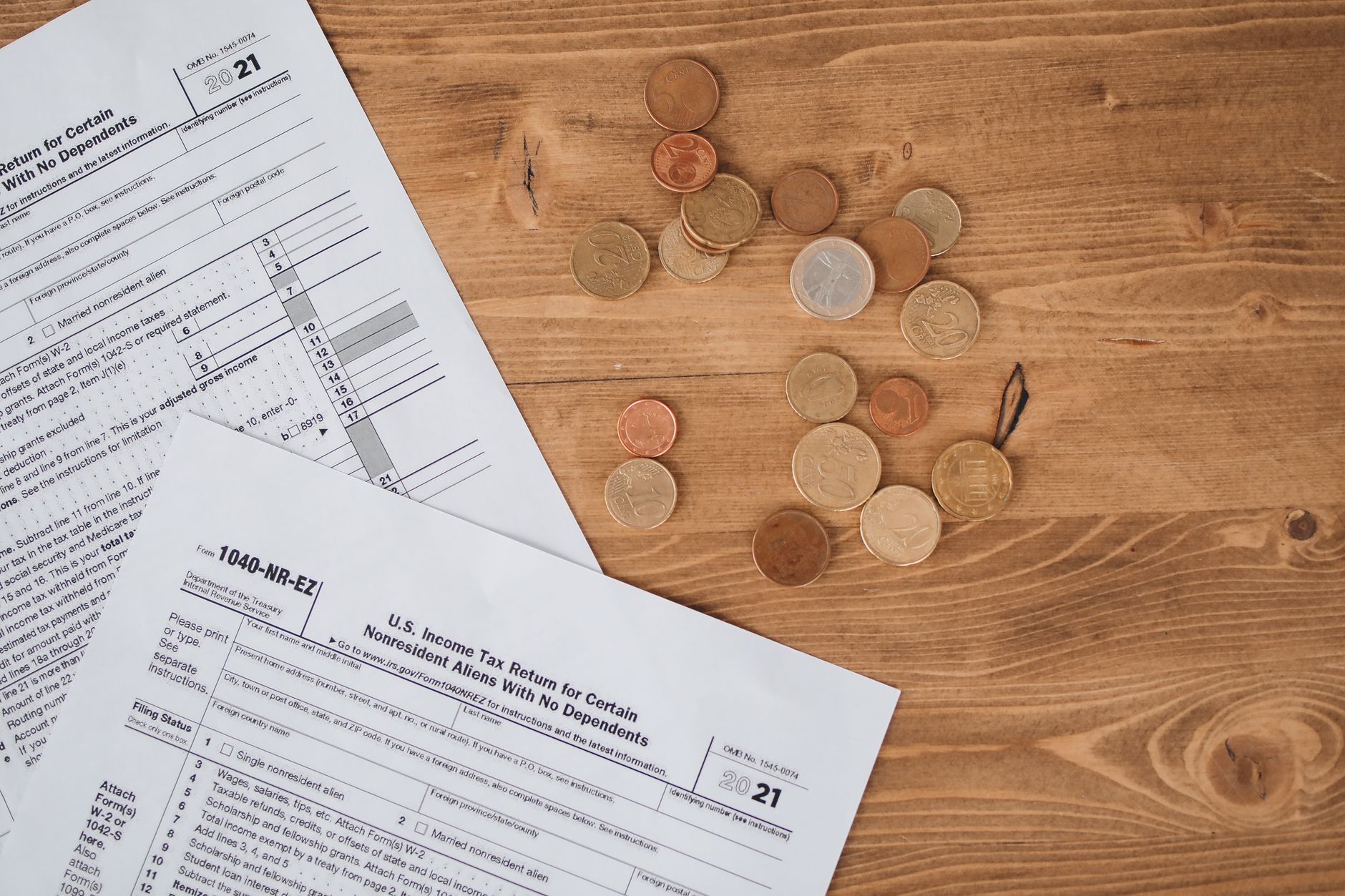
IRS tax changes 2027 could mean millions of Americans pay less tax as standard deductions rise and income brackets adjust. These changes may provide relief for many taxpayers.
Understanding IRS Tax Changes for 2027
The IRS tax changes for 2027 are set to bring significant adjustments that could lead to lower payments for many Americans. As the year approaches, taxpayers should be aware of how these changes may impact their financial situations.
One of the most notable adjustments is the increase in the standard deduction. This change aims to provide relief for individuals and families by allowing them to deduct a larger portion of their income before taxes are calculated. Specifically, the new standard deduction amounts will be:
- Single filers: Increased from $12,550 to $15,000
- Married couples filing jointly: Increased from $25,100 to $30,000
- Head of household: Increased from $18,800 to $22,500
Additionally, income brackets may be adjusted to account for inflation, potentially lowering tax rates for many taxpayers. This means that individuals may find themselves in lower tax brackets, resulting in reduced tax liabilities.
Overall, the IRS tax changes for 2027 present an opportunity for millions of Americans to reassess their tax strategies and make smart adjustments to maximize their savings.
How Standard Deductions Will Increase
As part of the IRS tax changes 2027, taxpayers can look forward to an increase in standard deductions, which is expected to significantly impact their overall tax burden. The increase aims to provide relief to millions of Americans and simplify the filing process for those who do not itemize deductions.
The following are key points regarding the changes to standard deductions:
- Projected Increase: The standard deduction for single filers is anticipated to rise to approximately $15,000, while married couples filing jointly may see theirs increase to around $30,000.
- Inflation Adjustment: The adjustments are designed to keep pace with inflation, ensuring that taxpayers retain more of their earnings amid rising living costs.
- Impact on Tax Brackets: With the increase in the standard deduction, many taxpayers may also find themselves in lower income tax brackets, further reducing their tax liabilities.
- Simplified Filing: The higher standard deduction means that more individuals will choose to take the standard option rather than itemizing, leading to a more streamlined tax filing experience.
Overall, these changes are poised to provide much-needed financial relief to households across the nation.
Impact of Income Bracket Adjustments
The impact of income bracket adjustments in the upcoming IRS tax changes for 2027 is expected to be significant for many taxpayers. As the IRS revises the income thresholds for tax brackets, millions may find themselves benefiting from lower tax rates on their earnings.
Key aspects of these adjustments include:
- Inflation Adjustments: The income brackets will be indexed to inflation, meaning they will increase over time to reflect the rising cost of living.
- Lower Tax Rates: With changes in the bracket thresholds, individuals earning moderate incomes may pay a reduced tax rate, leading to potential savings.
- Impact on Middle-Class Families: Middle-class families could particularly see a decrease in their overall tax burden, allowing for more disposable income.
- Planning Opportunities: Taxpayers should consider strategic financial planning to take full advantage of these changes, potentially adjusting their withholding or making contributions to tax-advantaged accounts.
Overall, the IRS tax changes for 2027 present a unique opportunity for Americans to reassess their financial strategies and minimize their tax liabilities effectively.
Who Will Benefit from These Changes?
The upcoming IRS tax changes 2027 are set to benefit a wide range of taxpayers, particularly those in specific income brackets and individuals with varying financial circumstances.
Here are some key groups who may see significant advantages:
- Low to Moderate Income Earners: As standard deductions increase, taxpayers in lower income brackets are likely to owe less in taxes, resulting in increased take-home pay.
- Families with Dependents: Enhanced deductions for dependents may provide additional relief, especially for families facing rising costs of living.
- Individuals with Variable Income: Freelancers and gig workers can adjust their tax planning strategies to align with the changes, potentially lowering their overall tax liabilities.
- Retirees: Seniors may benefit from the adjustments in tax brackets and deductions, allowing for more favorable tax treatment of their retirement income.
Overall, the IRS tax changes 2027 promise to create a more equitable tax landscape, encouraging individuals and families to reassess their financial strategies moving forward.
Preparing for the 2027 Tax Season
As taxpayers look ahead to the 2027 tax season, it is essential to prepare for the IRS tax changes 2027 that could significantly affect personal finances. By understanding these changes and adjusting financial strategies accordingly, individuals can optimize their tax obligations.
Here are some key steps to consider:
- Review Your Financial Situation: Analyze your income, expenses, and any potential deductions you may qualify for to ensure you maximize tax savings.
- Adjust Withholding: Consider updating your tax withholding to reflect the new standard deduction amounts, which may allow for more take-home pay throughout the year.
- Contribute to Retirement Accounts: Increasing contributions to retirement accounts can lower taxable income and prepare for future financial needs.
- Stay Informed: Keep up with any additional IRS announcements or changes that may occur as the 2027 tax season approaches.
- Consult a Tax Professional: Engaging with a tax advisor or accountant can provide tailored advice and help navigate the new tax landscape effectively.
Taking proactive measures now can lead to smoother tax preparation and potentially lower payments in 2027.
As taxpayers prepare for the upcoming IRS tax changes 2027, it’s essential to review your financial strategies to maximize deductions. Understanding the implications of IRS tax changes 2027 can lead to smarter financial decisions that minimize your overall tax burden.
Photo by Polina Tankilevitch on Pexels
Read the original
Related reading
Banking profit outlooks show clear growth amid BOJ rate hikes · Crystal Crop IPO: Easy Steps to Invest Smartly · NMDC profit decline: Worst news for investors or a smart move?








Leave a Reply