

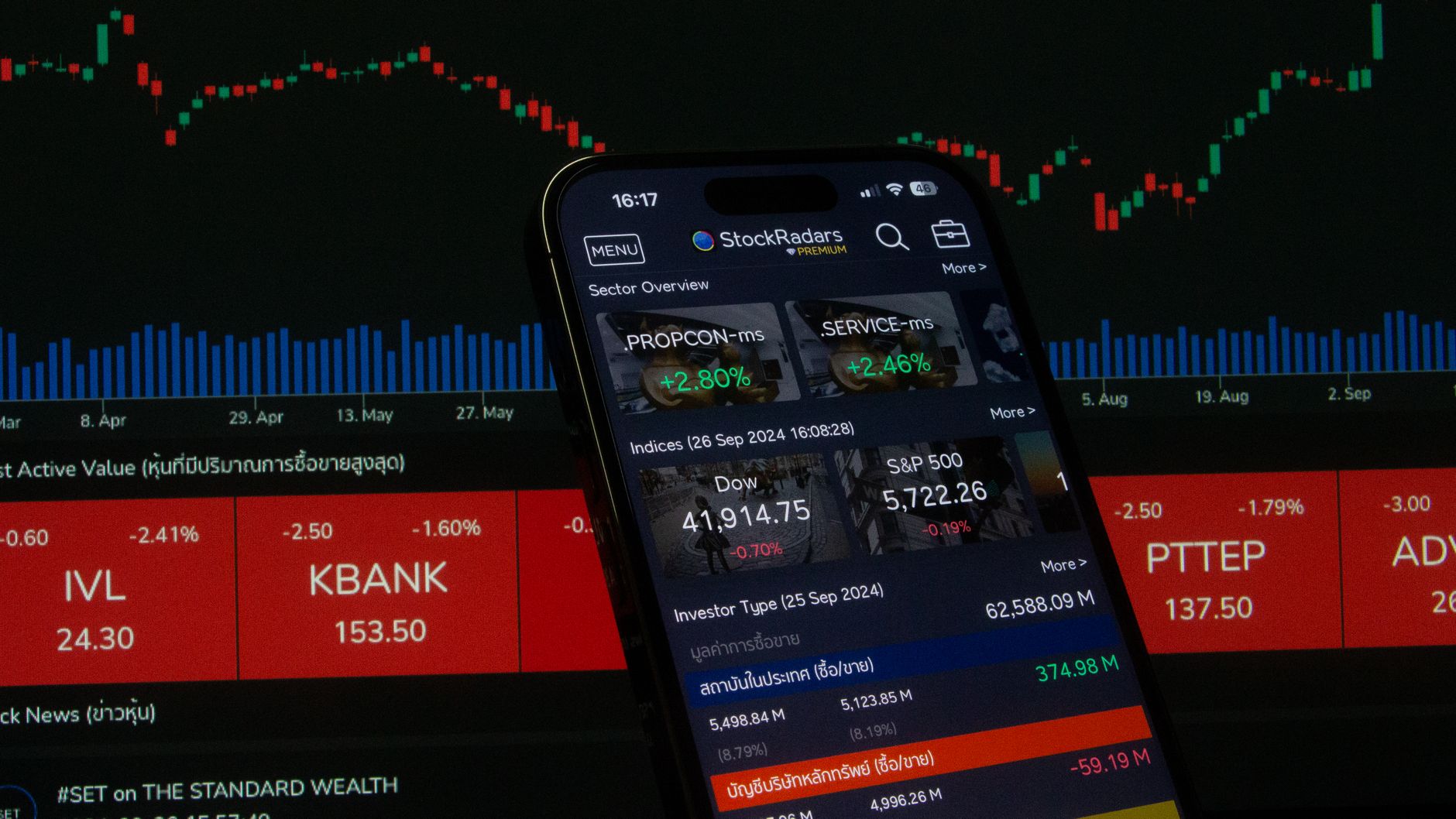
Indian stock market concerns are at the forefront as geopolitical tensions and tariff changes create uncertainty for investors.
Understanding the Current Market Landscape
The Indian stock market is currently navigating a tumultuous landscape, grappling with multiple challenges that could impact investor sentiment. Recent geopolitical tensions, particularly the escalating conflict between the US and Iran, have raised significant concerns among market participants. Analysts warn that such volatility can lead to unpredictable market movements, heightening the risks associated with investing.
In addition to geopolitical factors, the unfolding trade dynamics, including potential tariff modifications, are further complicating the situation. Investors are particularly wary of how these changes could affect India’s export-driven sectors, which are crucial for economic growth.
As the global economy faces uncertainty, the Indian stock market concerns are amplified, prompting many investors to reassess their strategies. The interplay of these factors suggests that the coming weeks will be critical in determining the market’s direction, with stakeholders closely monitoring developments both domestically and internationally.
Impact of US-Iran Conflict on Global Markets
The ongoing US-Iran conflict has significant implications for global markets, particularly for the Indian stock market. As tensions escalate, investors are becoming increasingly wary of the potential for economic repercussions. The conflict has already led to fluctuations in oil prices, which directly affect inflation rates and economic stability in India.
Market analysts warn that the Indian stock market concerns are heightened as geopolitical risks could lead to a decrease in foreign investments. Key factors to consider include:
- Volatility in Oil Prices: A surge in oil prices could strain the Indian economy, leading to higher import bills.
- Investor Sentiment: Heightened uncertainty may cause investors to pull back from equities, affecting market liquidity.
- Global Trade Dynamics: Tariff changes and trade tensions can disrupt local businesses, further impacting stock valuations.
As these global developments unfold, the Indian stock market faces a critical test in navigating these challenges.
Tariff Moves and Their Implications
As the Indian stock market faces mounting pressure, recent tariff moves have intensified concerns among investors. The implementation of new tariffs by major economies can disrupt trade flows and create uncertainty in global markets, directly affecting India’s economic outlook.
Key implications of these tariff changes include:
- Increased Costs: Goods imported from affected countries may see a rise in costs, impacting profit margins for domestic manufacturers.
- Market Volatility: The stock market is likely to experience increased volatility as investors react to the changing trade landscape.
- Foreign Investment: Potential foreign investors may become hesitant amid fears of an unstable market, leading to reduced capital inflows.
These tariff moves, combined with the implications from the ongoing US-Iran conflict, present a challenging scenario for the Indian stock market, raising legitimate concerns about its resilience in the face of global uncertainties.
Expert Opinions on Market Stability
Market analysts are expressing significant concern regarding the Indian stock market’s stability in light of recent global events. Experts believe that the combination of geopolitical tensions and economic policy shifts could pose severe challenges ahead.
According to financial strategist Rajesh Kumar, “The Indian stock market concerns are growing as investors weigh the potential fallout from the US-Iran conflict. This situation could lead to increased volatility and cautious trading.”
Another analyst, Aditi Verma, emphasizes the impact of tariff moves, stating, “As global trade dynamics shift, the Indian market must navigate these changes carefully to avoid a downturn.”
Moreover, Vikram Singh, a leading economist, suggests that the prevailing uncertainty could lead to a flight of capital. “Investors are on edge, and any misstep could exacerbate the current market concerns,” he warned.
As the situation evolves, stakeholders remain vigilant, monitoring both domestic and international developments closely.
Historical Context of Market Reactions
The Indian stock market has faced numerous challenges throughout its history, often reflecting broader global economic trends. In previous instances, such as during the 2008 financial crisis, market reactions were drastic, with investors reacting to uncertainty and volatility. The current concerns surrounding the Indian stock market can be traced back to these historical contexts, where external factors significantly influenced local sentiments.
Key events, such as the global recession and the COVID-19 pandemic, have shown that the Indian market is not immune to international pressures. Investors often become cautious, leading to a sell-off in times of unrest. The ongoing US-Iran conflict and shifting tariff policies are reminiscent of these past scenarios, stirring apprehension among market participants.
As analysts closely monitor these developments, they emphasize the importance of understanding historical market reactions. This context is vital for anticipating potential shifts in investor behavior and navigating the current landscape of Indian stock market concerns.
Strategies for Navigating Market Uncertainty
As the Indian stock market faces unprecedented global tests, investors are urged to adopt strategic approaches to navigate the growing uncertainties. Market volatility can present both challenges and opportunities, and understanding how to manage these fluctuations is crucial.
Here are some strategies to consider:
- Diversification: Spread investments across various sectors to mitigate risk.
- Staying Informed: Keep abreast of global events, particularly the US-Iran conflict and tariff changes, which could impact the Indian market.
- Long-Term Perspective: Focus on long-term goals rather than reacting impulsively to short-term market movements.
- Consulting Experts: Seek advice from financial advisors to make informed decisions amidst current Indian stock market concerns.
By implementing these strategies, investors can better position themselves to weather the storm and potentially benefit from the market’s eventual recovery.
Future Outlook for Indian Investors
As Indian investors brace for a turbulent period, the future outlook remains clouded by various global uncertainties. The Indian stock market concerns have escalated with rising geopolitical tensions and fluctuating trade policies impacting investor confidence. Analysts predict that investors should prepare for increased volatility as global markets react to the ongoing US-Iran conflict and evolving tariff strategies.
In light of these factors, it is crucial for investors to adopt a cautious approach. A few strategies that may help include:
- Diversifying Portfolios: Spreading investments across different sectors to mitigate risks.
- Staying Informed: Keeping abreast of global developments that could affect local markets.
- Long-term Focus: Focusing on long-term gains rather than short-term fluctuations.
With these considerations, Indian investors can better navigate the uncertainties ahead and position themselves for potential recovery in the market.
The Indian stock market concerns are growing as investors brace for potential volatility in the coming months. Analysts warn that these Indian stock market concerns could be exacerbated by global economic uncertainties.
Photo by StockRadars Co., on Pexels
Sources
Related stories
Corologic Seed Funding: A Smart Move for Startups · Sona BLW Investor Deck: Proven Insights from Jefferies Forum · Steamhouse India IPO allotment: Quick guide to check status




Leave a Reply