

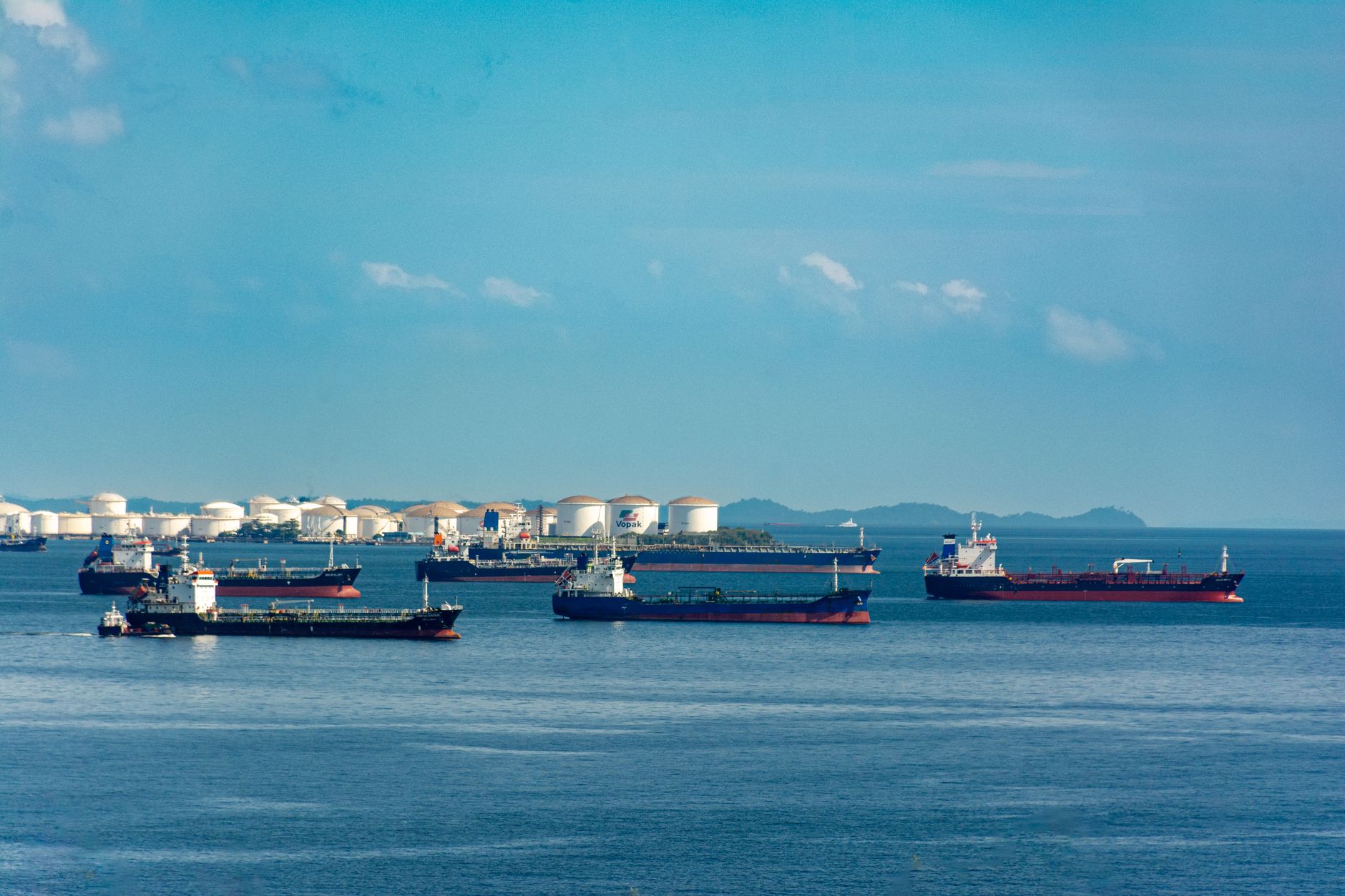
oil tanker rates are experiencing a significant downturn as Gulf crude shipments rebound, leading to shifts in the logistics sector.
Impact of Gulf Crude Shipments
The recent rebound in Gulf crude shipments has significantly impacted oil tanker rates, leading to a historic decline that industry analysts did not anticipate. As more vessels are deployed to transport crude from the Gulf, supply is outpacing demand, creating a ripple effect on freight costs.
The surge in shipments can be attributed to several key factors:
- Increased production: OPEC+ countries have ramped up their output, contributing to a higher volume of oil available for export.
- Seasonal demand fluctuations: As countries prepare for winter months, the demand for crude has surged, prompting a rush to secure transportation.
- Global economic recovery: Post-pandemic industrial activity is leading to a greater need for crude oil, further stressing the shipping capacity.
However, the oversupply of tankers in the face of these increased shipments has driven rates down sharply, leading to one of the worst declines in recent history. Owners are facing challenges as the operational costs remain high while freight rates plummet. This situation has raised concerns about the sustainability of many shipping companies in a market characterized by such volatility.
Current Oil Tanker Rate Trends
Oil tanker rates have recently experienced a significant downturn, marking the worst decline in recent history. This trend is primarily attributed to a surge in Gulf crude shipments, which has led to an oversupply in the market. As a result, shipping companies are struggling to maintain profitability amid falling demand.
Several key factors contribute to the current oil tanker rate trends:
- Increased Supply: The rebound in Gulf crude shipments has resulted in a higher number of vessels available for transport, driving down rates.
- Global Economic Uncertainty: Economic slowdowns in major markets have led to reduced demand for oil, further impacting shipping rates.
- Seasonal Fluctuations: Traditionally, demand for oil tankers varies with seasonal changes, but this year’s patterns have been particularly volatile.
Industry analysts predict that unless there is a significant change in global oil demand or shipping capacity management, oil tanker rates will continue to face downward pressure. Companies are now exploring innovative strategies to navigate this tough market landscape, hoping to stabilize their operations in the face of these adverse conditions.
Factors Behind Rate Decline
The recent decline in oil tanker rates has been attributed to several interrelated factors that have reshaped the market dynamics. Analysts point to a significant increase in global oil supply as a primary contributor. With Gulf crude shipments rebounding, more vessels have entered the market, leading to an oversupply situation.
Additionally, the following factors have played a crucial role:
- Increased Competition: The influx of newer, more efficient tankers has intensified competition among shipping companies, driving down rates.
- Reduced Demand: Economic uncertainties, particularly in key markets, have dampened demand for oil, further exacerbating the situation.
- Seasonal Trends: Traditionally, the summer months see a drop in shipping activity, which has coincided with the current rate decline.
- Geopolitical Tensions: Heightened geopolitical tensions in oil-producing regions have created uncertainty, influencing shipping routes and rates.
As a result of these combined factors, oil tanker rates have plummeted to levels not seen in recent history, raising concerns among shipowners and industry stakeholders about the sustainability of the market moving forward.
Future Projections for Tanker Rates
Looking ahead, industry experts anticipate a challenging road for oil tanker rates. As Gulf crude shipments continue to rebound, the surplus of available tankers is likely to exert downward pressure on pricing. Analysts predict that the oversupply could persist through the first half of the year, potentially leading to further declines in rates.
Several factors are expected to influence future tanker rates:
- Global Demand Recovery: The pace of economic recovery worldwide will play a crucial role. A slow recovery could dampen oil consumption and, in turn, affect tanker utilization rates.
- Geopolitical Tensions: Ongoing geopolitical issues in key oil-producing regions may lead to disruptions in supply chains, impacting tanker movements and rates.
- Regulatory Changes: New environmental regulations regarding emissions could affect operational costs for tanker owners, potentially leading to higher rates in the long run.
- Technological Advancements: Innovations in tanker design and efficiency may help operators reduce costs, influencing overall market dynamics.
Overall, while some recovery in rates is possible, the current trajectory suggests that oil tanker rates will remain under pressure for the foreseeable future.
Logistics Adjustments in Response
In light of the recent downturn in oil tanker rates, logistics companies are rapidly adjusting their strategies to navigate this challenging landscape. The significant drop in rates has prompted a reevaluation of shipping routes and contract negotiations, as firms seek to optimize their operations amid rising competition.
Shipping companies are now focused on:
- Reassessing Contract Terms: Many logistics firms are renegotiating contracts to include more flexible terms that accommodate fluctuating demand and pricing.
- Exploring Alternative Routes: With the rebound of Gulf crude shipments, companies are looking into less congested paths that may provide cost savings.
- Increasing Fleet Efficiency: To mitigate losses, operators are investing in technology that enhances fuel efficiency and reduces operational costs.
- Collaboration and Partnerships: Firms are forming alliances to share resources and reduce expenses, allowing for better negotiation leverage in securing favorable rates.
As oil tanker rates continue to experience one of their worst declines in recent history, these adjustments are crucial for logistics companies aiming to remain viable in a highly competitive market. The focus is now on adaptability and strategic planning, ensuring they can weather the storm ahead.
Market Reactions to Rate Changes
As the oil tanker rates plummet, market reactions have been swift and varied. Shipping companies are grappling with the fallout from the recent downturn, leading to a re-evaluation of their operational strategies. Analysts suggest that the dramatic decline in rates is primarily driven by a resurgence in Gulf crude shipments, which has flooded the market with supply.
Investors have expressed concern over the sustainability of profits in the shipping sector, prompting many to recalibrate their forecasts. A significant number of companies are now reporting lower earnings projections, which has resulted in a ripple effect across the stock market. Key market players are closely monitoring changes in demand dynamics, as fluctuations in oil consumption could further influence tanker rates.
In response to the evolving landscape, several shipping firms are implementing cost-cutting measures to mitigate losses. These adjustments include:
- Reducing fleet sizes temporarily
- Increasing operational efficiency
- Exploring new markets for crude transportation
Market experts remain divided on the long-term implications of the current rate decline, with some predicting a rebound while others caution that sustained low rates may persist, reshaping the landscape of the shipping industry for years to come.
Conclusion on Oil Tanker Rates
In conclusion, the current state of oil tanker rates reflects a significant downturn that is unprecedented in recent history. The combination of increased Gulf crude shipments and shifting market dynamics has led to a rapid decline in rates, leaving many industry stakeholders concerned about the future.
As operators adjust their logistics to navigate this challenging environment, several factors will continue to influence the trajectory of tanker rates. These include:
- Global Demand Fluctuations: The recovery of economies post-pandemic and any geopolitical tensions can dramatically shift demand.
- Supply Chain Adjustments: Companies may need to rethink shipping routes and partnerships to mitigate losses.
- Regulatory Changes: New environmental regulations could impact operational costs and ultimately the rates.
Market reactions have varied, with some companies taking proactive measures to stabilize their positions. However, the overarching trend is clear: oil tanker rates are facing unprecedented challenges. Stakeholders must remain vigilant and adaptable as they navigate this turbulent landscape, keeping a close eye on both short-term fluctuations and long-term projections.
In light of these developments, the oil tanker industry is at a crossroads, where strategic decisions made today will shape the future of oil tanker rates and the overall health of the market.
Photo by Zifeng Xiong on Pexels
Read the original
Related reading
Trade Setup November 17: Best 15 Insights for Investors · Bitcoin Price Prediction 2027: The Best Proven Insights · Alpha Bank Acquisition News: Proven Benefits for Investors



Leave a Reply