

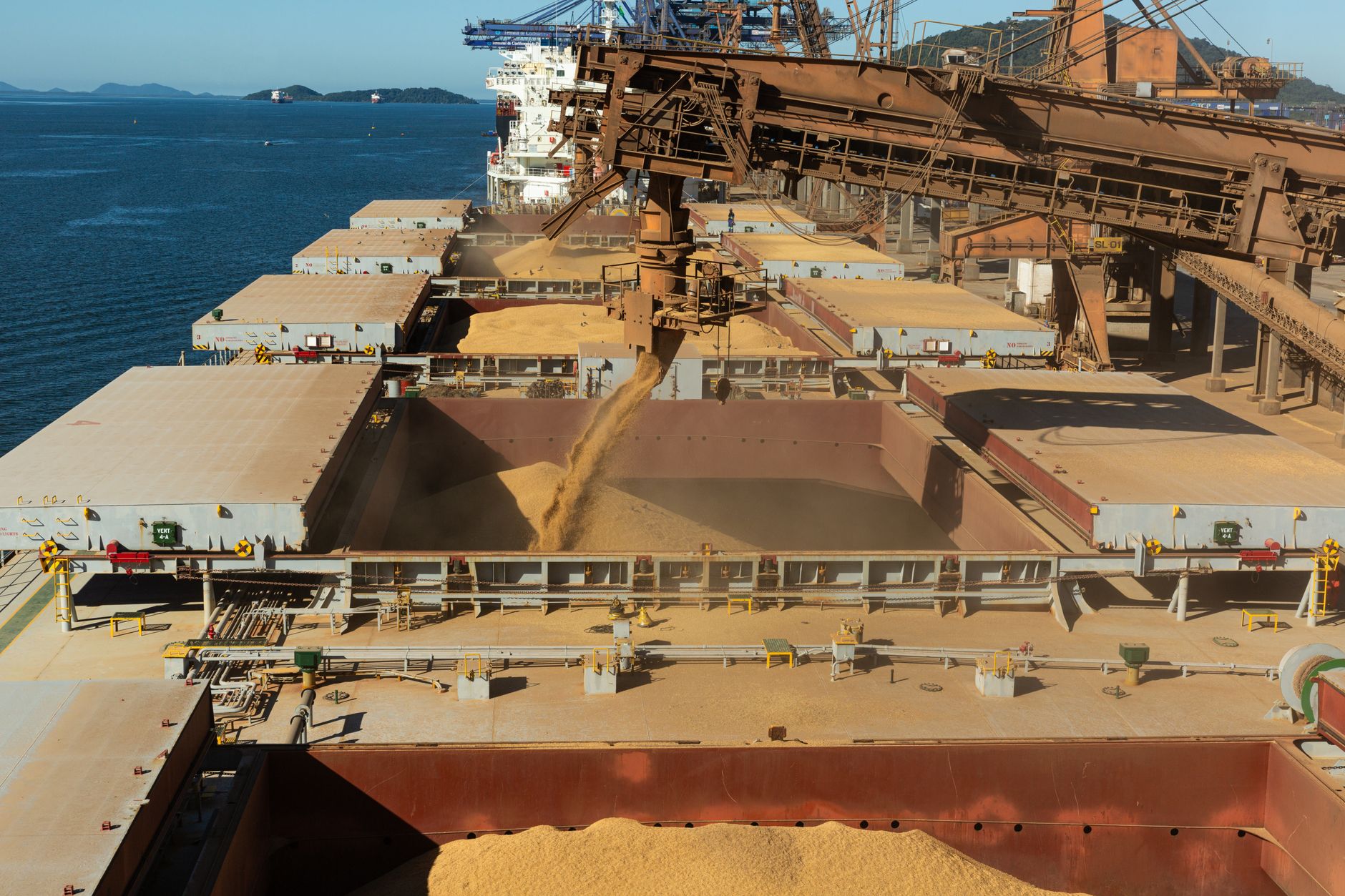
Global grain logistics is crucial for ensuring food security and market stability. Understanding the dynamics of these logistics can help stakeholders navigate challenges effectively.
Understanding Global Grain Logistics
The intricate world of global grain logistics plays a crucial role in ensuring food security and agricultural sustainability. As international trade continues to evolve, understanding the dynamics of grain transport has never been more essential.
Grain logistics encompasses a wide range of activities, from the harvesting of crops to their transportation and storage. Efficient logistics systems are vital for minimizing delays and reducing costs, which ultimately affects global food prices.
Key elements influencing global grain logistics include:
- Infrastructure: Robust transportation networks, including roads, railways, and ports, are necessary for the smooth movement of grain.
- Technological advancements: Innovations in tracking and supply chain management have improved the efficiency of grain handling.
- Market dynamics: Fluctuations in demand and supply can impact shipping routes and logistics strategies.
- Environmental factors: Weather conditions and climate change pose risks that can disrupt established logistics routes.
By analyzing these components, stakeholders can develop more resilient grain logistics systems, optimizing routes to enhance global food distribution.
Key Challenges in Grain Transportation
Grain transportation faces several key challenges that can significantly impact global grain logistics. These obstacles often arise from both natural and man-made factors, complicating the efficient movement of grain across borders.
- Infrastructure Limitations: Many regions lack adequate transportation infrastructure, such as roads, railways, and ports, which can delay shipments and increase costs.
- Weather Conditions: Adverse weather, including storms and droughts, can disrupt logistics networks and lead to crop failures, affecting supply chains.
- Regulatory Barriers: Different countries have varying regulations and trade policies that can complicate cross-border grain transportation.
- Market Fluctuations: Price volatility in grain markets can affect the economic feasibility of certain routes, causing logistics companies to reassess their strategies.
- Security Risks: Political instability and conflict in key regions pose threats to safe transportation, leading to increased insurance costs and potential losses.
Addressing these challenges is essential for enhancing the resilience of global grain logistics and ensuring a stable food supply worldwide.
The Importance of Resilience in Supply Chains
The recent disruptions in global grain logistics have highlighted the critical need for resilience in supply chains. As countries face unpredictable climate patterns, geopolitical tensions, and economic fluctuations, ensuring a robust supply chain has never been more crucial.
Resilience in supply chains involves the ability to adapt to unexpected challenges while maintaining efficiency. This adaptability can be achieved through various strategies:
- Diversification of Routes: Utilizing multiple transportation routes can help mitigate risks associated with relying on a single path.
- Investment in Technology: Advanced tracking and forecasting systems enable stakeholders to anticipate disruptions and respond swiftly.
- Strengthening Partnerships: Collaborating with local suppliers and logistics providers can enhance flexibility and responsiveness.
- Agile Inventory Management: Implementing just-in-time inventory practices allows for quicker adjustments to changes in demand.
Ultimately, the focus on resilience within global grain logistics not only ensures a steady supply of essential commodities but also fosters a more sustainable and reliable food system. As the industry evolves, embracing these principles will be vital to overcoming future challenges.
Exploring Major Grain Transportation Routes
Efficient grain transportation is crucial for maintaining the stability of global grain logistics. Various routes have been established to ensure that grains reach their destinations promptly and safely. Among these, several major routes stand out:
- The Black Sea Route: This route is vital for transporting grain from Ukraine and Russia, two of the world’s largest grain exporters. It connects to multiple international markets, providing a strategic advantage.
- North American Corridors: The United States and Canada utilize extensive rail and truck networks to move grain from farms to ports. Key corridors include the Mississippi River system and the Great Lakes.
- The South American Route: Brazil and Argentina export significant quantities of soybeans and corn via ports like Santos and Rosario. Barges and trucks are essential for moving grains inland to these ports.
- Asian Trade Routes: Countries like India and China are increasingly important players in grain logistics, with emerging routes that facilitate the flow of grains across the continent.
Understanding these routes is essential for navigating the complexities of global grain logistics and addressing potential disruptions in supply chains.
Risk Management Strategies for Grain Logistics
Managing risks in global grain logistics is crucial for ensuring the smooth flow of products from farms to markets. Various strategies can be employed to mitigate potential disruptions in the supply chain.
- Diversification of Supply Sources: Relying on multiple suppliers can reduce dependence on a single source, which may be vulnerable to local disruptions.
- Investment in Technology: Utilizing advanced tracking and monitoring systems can enhance visibility throughout the logistics process, allowing for quicker responses to unforeseen challenges.
- Collaboration with Partners: Building strong relationships with carriers, port authorities, and customs officials can facilitate smoother operations and quicker resolutions to issues.
- Regular Risk Assessments: Conducting periodic evaluations of potential risks in transportation routes helps identify vulnerabilities and prepares organizations for effective responses.
- Flexible Logistics Plans: Developing contingency plans that allow for route adjustments and alternate transportation methods can significantly reduce the impact of unexpected events.
By incorporating these risk management strategies, stakeholders in global grain logistics can enhance their resilience against disruptions, ensuring that vital supplies reach their destinations efficiently.
Future Trends in Global Grain Logistics
The future of global grain logistics is poised for significant transformation as technology and sustainability take center stage. Industry experts predict an increase in the use of automated systems and artificial intelligence to optimize supply chain operations. This shift will enhance efficiency and reduce delays, ensuring that grain reaches its destinations more swiftly and reliably.
Additionally, the integration of blockchain technology is expected to provide greater transparency throughout the logistics process. By enabling real-time tracking of shipments, stakeholders can easily monitor the journey of grain from farms to markets, thereby minimizing the risk of loss and improving accountability.
Another trend is the growing emphasis on sustainability. There is a rising demand for eco-friendly practices within the logistics sector, prompting companies to adopt greener transportation methods. For instance, the use of biofuels and electric vehicles is likely to increase, contributing to reduced carbon footprints.
Finally, as geopolitical dynamics shift, the diversification of transportation routes will become crucial. This adaptability will help mitigate risks associated with reliance on specific corridors, ensuring a more resilient approach to global grain logistics in response to changing market conditions.
Case Studies of Successful Grain Logistics
In examining the landscape of global grain logistics, several case studies highlight successful strategies that have enhanced efficiency and resilience in grain transportation. One notable example is the partnership between major grain producers and logistics companies in the United States. By implementing an integrated supply chain management system, they have reduced transportation costs while improving delivery times.
Another successful case comes from Brazil, where the development of the North-South Railway has significantly improved access to ports for grain exports. This route has decreased congestion and allowed for more timely shipments to international markets, demonstrating the effectiveness of investing in infrastructure.
In Europe, a collaborative model between farmers and cooperatives has streamlined grain handling processes, ensuring that logistics are managed effectively from farm to port. This approach not only enhances the quality of the grain but also optimizes transportation routes, reinforcing the importance of cooperation in global grain logistics.
These case studies illustrate the need for innovative solutions and collaboration among stakeholders to navigate the complexities of grain logistics while addressing challenges such as climate change and fluctuating market demands.
Photo by Fabrizio Zini on Pexels



Leave a Reply