

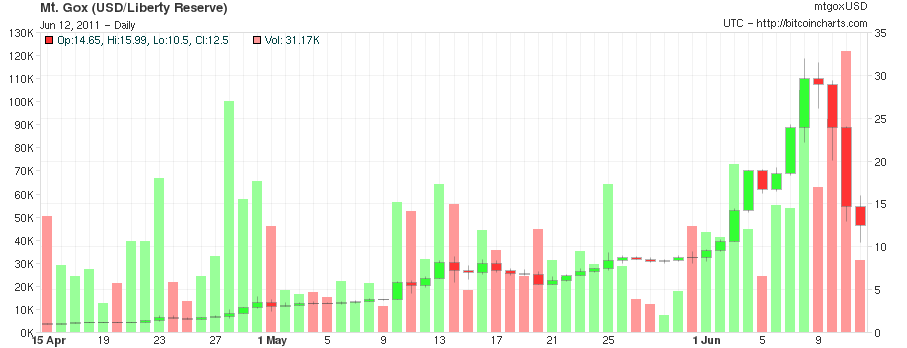
Bitcoin price fall is causing concern among investors as ETF inflows remain concentrated in IBIT. This trend raises questions about the future of cryptocurrency investments.
Understanding the Bitcoin Price Fall
The recent Bitcoin price fall has raised concerns among investors, leading many to question the market’s stability. Experts attribute this decline to various factors, including market sentiment and regulatory developments.
One significant aspect contributing to the current situation is the concentration of Exchange Traded Fund (ETF) inflows. Recent reports indicate that inflows are primarily directed towards specific funds, such as IBIT, which has sparked speculation about the overall demand for Bitcoin and its market dynamics.
Additionally, the broader economic environment plays a crucial role in influencing cryptocurrency prices. Factors such as inflation rates, interest rate adjustments, and geopolitical tensions can result in increased volatility in the cryptocurrency market.
- Market Sentiment: Investor confidence can fluctuate rapidly, impacting buying and selling behavior.
- Regulatory Scrutiny: Ongoing discussions around cryptocurrency regulations can create uncertainty.
- Technological Developments: Innovations or issues within the blockchain technology can sway investor opinion.
As the dust settles from this latest Bitcoin price fall, investors are advised to stay informed about market trends and external influences. Understanding these elements can help in making more informed decisions in an ever-changing landscape.
Factors Behind Recent ETF Inflows
The recent Bitcoin price fall has raised concerns among investors, leading many to analyze the factors contributing to the trend. One significant aspect is the concentration of ETF inflows, which has shown a notable preference for specific exchange-traded funds.
Several key factors have been identified that may explain this development:
- Market Sentiment: Investor confidence plays a crucial role in determining Bitcoin’s value. A shift in sentiment can lead to rapid price declines, especially if large funds decide to pull back.
- Regulatory Environment: Ongoing regulatory scrutiny surrounding cryptocurrencies may deter investors from entering the market. This hesitance can result in decreased demand, further exacerbating the Bitcoin price fall.
- Concentration of Wealth: The current concentration of ETF inflows predominantly in IBIT suggests that many investors are favoring safer, more established funds rather than diversifying their portfolios. This can create volatility in the broader Bitcoin market.
- Market Manipulation Risks: The cryptocurrency market has faced accusations of manipulation. Large trades can disproportionately affect prices, leading to sharp declines that shake investor trust.
As these factors interplay, the implications of the Bitcoin price fall may extend beyond mere numbers, prompting investors to reevaluate their strategies in this unpredictable landscape.
Impact of IBIT on Bitcoin
The recent decline in Bitcoin’s value has raised concerns among investors regarding the overall impact of IBIT on the cryptocurrency market. As the price of Bitcoin falls, many are questioning whether the concentration of ETF inflows into IBIT is a troubling sign for the digital currency’s future.
IBIT, which has gained significant traction among institutional investors, has become a focal point in discussions about Bitcoin’s stability. The heavy inflow of capital into this specific ETF has, paradoxically, coincided with the overall downturn in Bitcoin prices. Analysts suggest that the correlation between IBIT’s performance and Bitcoin’s price could indicate a deeper issue within the market.
Some key points to consider regarding the impact of IBIT on Bitcoin include:
- Investor Sentiment: The concentration of investments in IBIT might reflect a cautious approach from investors who are wary of the current volatility in Bitcoin.
- Market Dynamics: As IBIT attracts more investments, it may inadvertently influence the trading volume and liquidity of Bitcoin itself, leading to increased price fluctuations.
- Future Projections: If the Bitcoin price fall continues, the reliance on IBIT could pose risks, as it may not provide the stability investors are seeking.
In conclusion, the interplay between IBIT and Bitcoin’s price trajectory will be crucial to watch, especially as market conditions evolve.
Investor Reactions to Market Changes
As the Bitcoin price fall continues to dominate headlines, investors are expressing a mix of concern and cautious optimism. Many are closely monitoring the market, trying to decipher whether this decline represents a temporary setback or a more ominous trend.
In online forums and social media, discussions have escalated as traders share their thoughts and strategies. A significant number of investors are opting to hold their positions, hoping for a rebound in the coming weeks. One trader noted, “I believe this is just a phase. The fundamentals of Bitcoin remain strong, and I’m not planning to sell just yet.”
Conversely, some investors are beginning to reconsider their strategies. The concentration of ETF inflows in products like IBIT has sparked worries about market stagnation. A seasoned investor shared, “The current market conditions make me nervous. If the Bitcoin price keeps falling, I might have to reevaluate my investments.”
Additionally, others are taking a more proactive approach, looking for buying opportunities amidst the dip. A recent survey indicated that nearly 40% of investors see the current price drop as a chance to accumulate more Bitcoin at lower rates. “This is an opportunity to buy the dip,” stated one optimistic investor. “I’m confident that Bitcoin will recover.”
As reactions vary, the overall sentiment seems to reflect a community grappling with uncertainty and the hope for a market turnaround.
Future Predictions for Bitcoin
As the Bitcoin price fall continues to dominate headlines, analysts are divided on what the future holds for this volatile asset. Some experts predict a potential rebound, citing historical trends where significant price drops have often been followed by substantial recoveries. They emphasize that the cryptocurrency market is cyclical and that current price levels may present a buying opportunity for long-term investors.
On the other hand, skeptics warn that the recent fall in Bitcoin prices could signal deeper issues within the market. They point to the concentration of ETF inflows in specific funds like IBIT, suggesting that this may reflect a lack of broader market confidence. These experts believe that until there is a more diversified inflow of investment, Bitcoin may struggle to regain its footing.
Market sentiment remains cautious, with many investors closely watching regulatory developments and global economic conditions. The uncertainty surrounding legal parameters for cryptocurrencies may also weigh heavily on Bitcoin’s recovery potential.
In the coming months, several factors will likely influence the trajectory of Bitcoin prices:
- Regulatory changes in major markets
- Technological advancements in blockchain
- Institutional investment trends
- Investor sentiment towards risk assets
Ultimately, the future of Bitcoin will hinge on the interaction of these elements, and only time will reveal whether the current price fall is merely a temporary setback or a precursor to more significant declines.
How to Navigate the Crypto Market
As the Bitcoin price fall raises concerns among investors, navigating the volatile crypto market effectively becomes essential. Here are some strategies to help investors manage their portfolios during tumultuous times.
- Stay Informed: Keeping up with the latest news and trends in the cryptocurrency space is crucial. This includes monitoring regulatory changes, market sentiment, and technological developments.
- Diversify Investments: Spreading investments across various cryptocurrencies can mitigate risks. While Bitcoin remains a dominant player, exploring altcoins may provide new opportunities.
- Set Clear Goals: Investors should define their financial objectives and establish a timeline. Whether aiming for long-term growth or short-term gains, having a strategy can help in making informed decisions.
- Utilize Stop-Loss Orders: Implementing stop-loss orders can protect against significant losses during downturns. This automated strategy allows investors to limit their exposure to market volatility.
- Consider Dollar-Cost Averaging: By investing a fixed amount regularly, regardless of the Bitcoin price fall or rise, investors can reduce the impact of volatility on their overall purchase price.
While the current market conditions may seem daunting, employing these strategies can help investors navigate through the uncertainties of the crypto landscape, enabling them to make more informed and confident decisions.
The recent Bitcoin price fall has left many investors questioning the stability of the cryptocurrency market. Analysts believe that this Bitcoin price fall could signal a broader trend that may affect investor confidence moving forward.
By Bitcoin Charts via Openverse
References
Rupee performance: Best month in eight due to RBI measures · Capital Clean Energy Earnings: Proven Strategies for Growth · AU Small Finance Bank: Is Your Data Safe After Breach?




Leave a Reply