
RBI interest rate hike is a hot topic among experts as they predict further increases in December. This potential change could significantly affect borrowers and savers alike.
What is the RBI interest rate hike?
The Reserve Bank of India (RBI) interest rate hike refers to the decision made by the central bank to increase the benchmark interest rates. This move is primarily aimed at controlling inflation and stabilizing the economy. When the RBI raises interest rates, it becomes more expensive for banks to borrow money, which in turn affects the borrowing costs for consumers and businesses.
Typically, an increase in interest rates can have several implications:
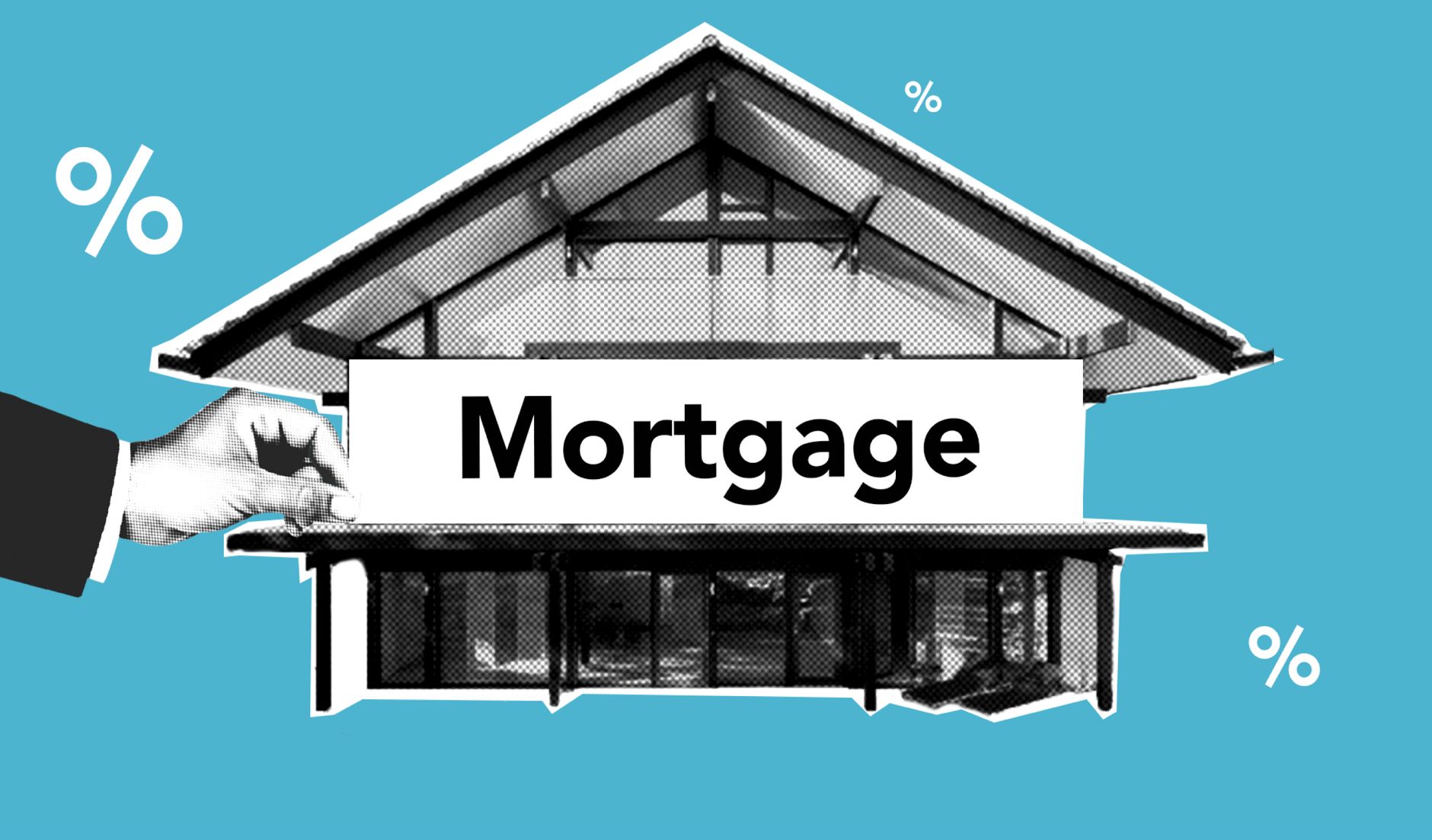
- Higher Loan Costs: Borrowers may face increased interest payments on existing loans, particularly for mortgages and personal loans.
- Savings Incentives: Higher interest rates can also benefit savers, as banks are likely to offer better returns on savings accounts and fixed deposits.
- Impact on Investments: Equity markets may react negatively to an RBI interest rate hike, as higher borrowing costs can slow down corporate growth.
As experts speculate that the RBI may hike interest rates further in December, it’s essential for individuals and businesses to assess how these changes could impact their financial decisions and overall economic environment.
Expert predictions on the December policy
As the Reserve Bank of India (RBI) prepares for its upcoming December policy review, experts are weighing in on the potential for an interest rate hike. With inflationary pressures still prevalent, many analysts believe that the RBI interest rate hike could be on the table.
Several key factors are shaping expert predictions:
- Inflation Trends: Recent data indicates that inflation remains above the RBI’s target range, prompting calls for action to maintain economic stability.
- Global Economic Conditions: The ongoing geopolitical tensions and fluctuations in oil prices may influence the RBI’s decision-making process.
- Market Reactions: With the market reacting to potential hikes, experts suggest that any decision made could have immediate impacts on consumer and business confidence.
- Economic Growth: While the need to combat inflation is crucial, some analysts caution that a significant rate hike might impede economic recovery.
Ultimately, the RBI’s decision in December will be closely scrutinized, with many wondering if the anticipated RBI interest rate hike is the right move for the economy moving forward.
How will the RBI interest rate hike affect you?
The recent RBI interest rate hike has significant implications for individuals and businesses alike. As borrowing costs rise, consumers may find it more challenging to secure loans for major purchases, such as homes and cars. This can lead to a slowdown in consumer spending, which is a critical driver of economic growth.
In addition, existing borrowers with variable-rate loans will experience an increase in their monthly repayments, potentially straining household budgets. On the other hand, savers may benefit from higher interest rates on fixed deposits and savings accounts, offering better returns on their investments.
It’s essential to consider how the RBI interest rate hike will influence your financial decisions:
- Mortgage Rates: Expect higher rates on new mortgages, impacting affordability.
- Personal Loans: Higher rates may deter some from taking on new debt.
- Investment Strategies: With rising interest rates, reassessing your investment portfolio may be wise.
- Savings: Look for opportunities to maximize returns on savings accounts.
Overall, individuals should evaluate their financial strategies in light of these changes to mitigate any negative impacts.
Understanding the implications of interest rate changes
Understanding the implications of interest rate changes is crucial for both borrowers and savers. The recent RBI interest rate hike signals a shift in monetary policy aimed at controlling inflation and stabilizing the economy. Such changes can have far-reaching effects on various financial aspects of our lives.
When interest rates rise, the cost of borrowing typically increases. This can affect:
- Home Loans: Monthly payments may rise, impacting affordability for new homebuyers and those looking to refinance.
- Personal Loans: Higher rates can make existing loans more expensive, leading to increased financial strain on households.
- Savings Accounts: Conversely, depositors may benefit from improved interest rates on savings, encouraging more individuals to save.
Additionally, businesses may face higher borrowing costs, which could affect expansion plans and hiring. The overall economic environment may witness slower growth as consumers become more cautious in spending. Ultimately, understanding the implications of the RBI interest rate hike is essential for making informed financial decisions that align with one’s personal or business goals.




Leave a Reply